No products in the cart.


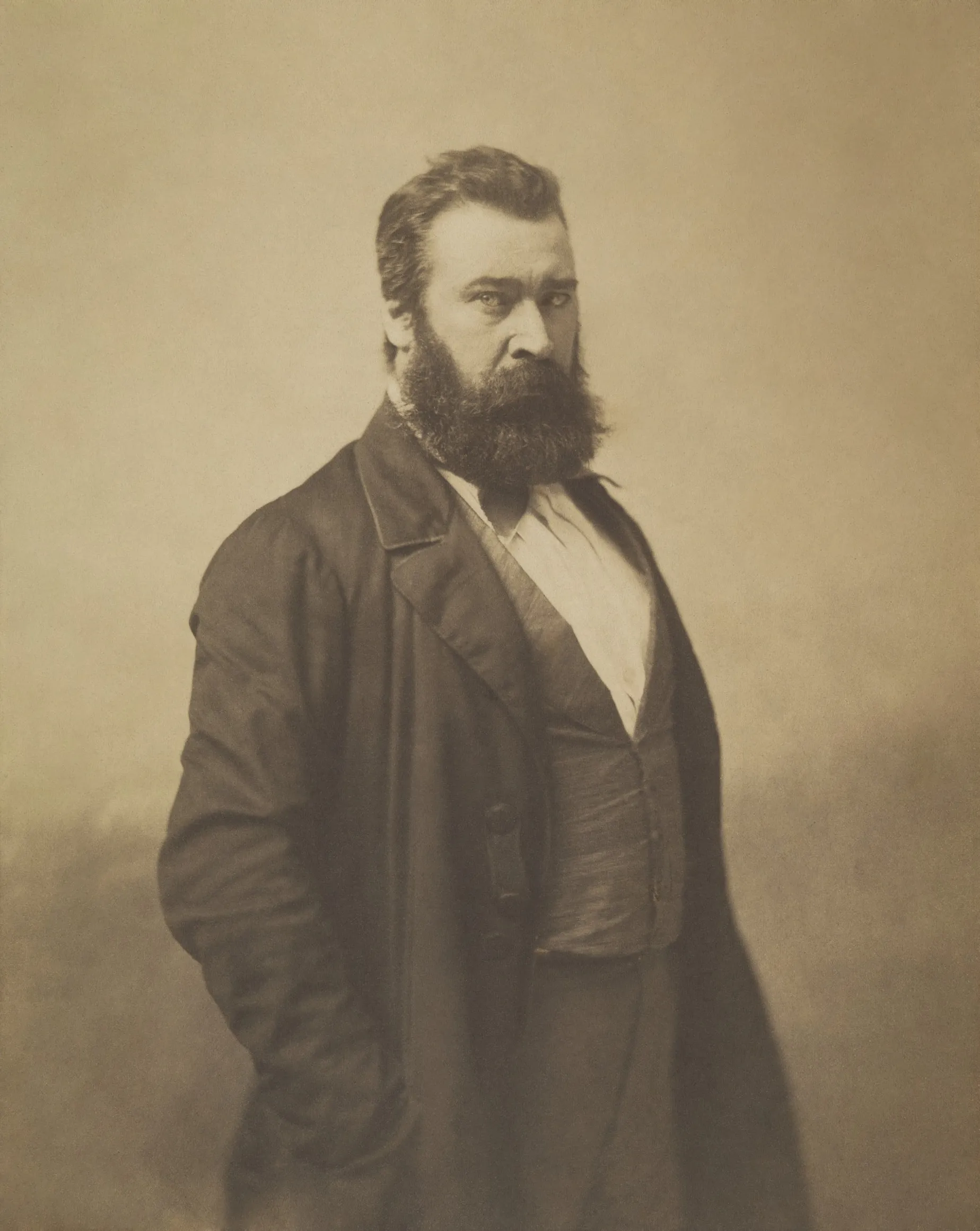
Jean-François Millet
Gruchy 1814 – 1875 Barbizon
Jean-François Millet is considered to be one of the founders of the Barbizon school. The primary subject of his paintings, drawings, and engravings were peasants, whom he represented in their daily activities with dignity and compassion. Himself the son of well-off Norman peasants, Millet received a solid education. He studied painting in Cherbourg before joining Paul Delaroche's studio at the École des Beaux-Arts in Paris. After he failed to win the Prix de Rome in 1839, he left the École des Beaux-Arts. Back in Cherbourg, he worked as a portrait painter, which gave him a meager income. He returned to Paris the following year and lived in great poverty for several years. Following his introduction to Théodore Rousseau, Millet moved to Barbizon in 1849. In Barbizon Millet concentrated on depicting peasant and rural subjects. Success came gradually with paintings such as Le Repas des moissonneurs (1850–1853), Les Glaneuses (1857), and L'Angélus (1857-1859). The latter canvas, after its sale in 1889, was for a time the most expensive painting in the world.