No products in the cart.


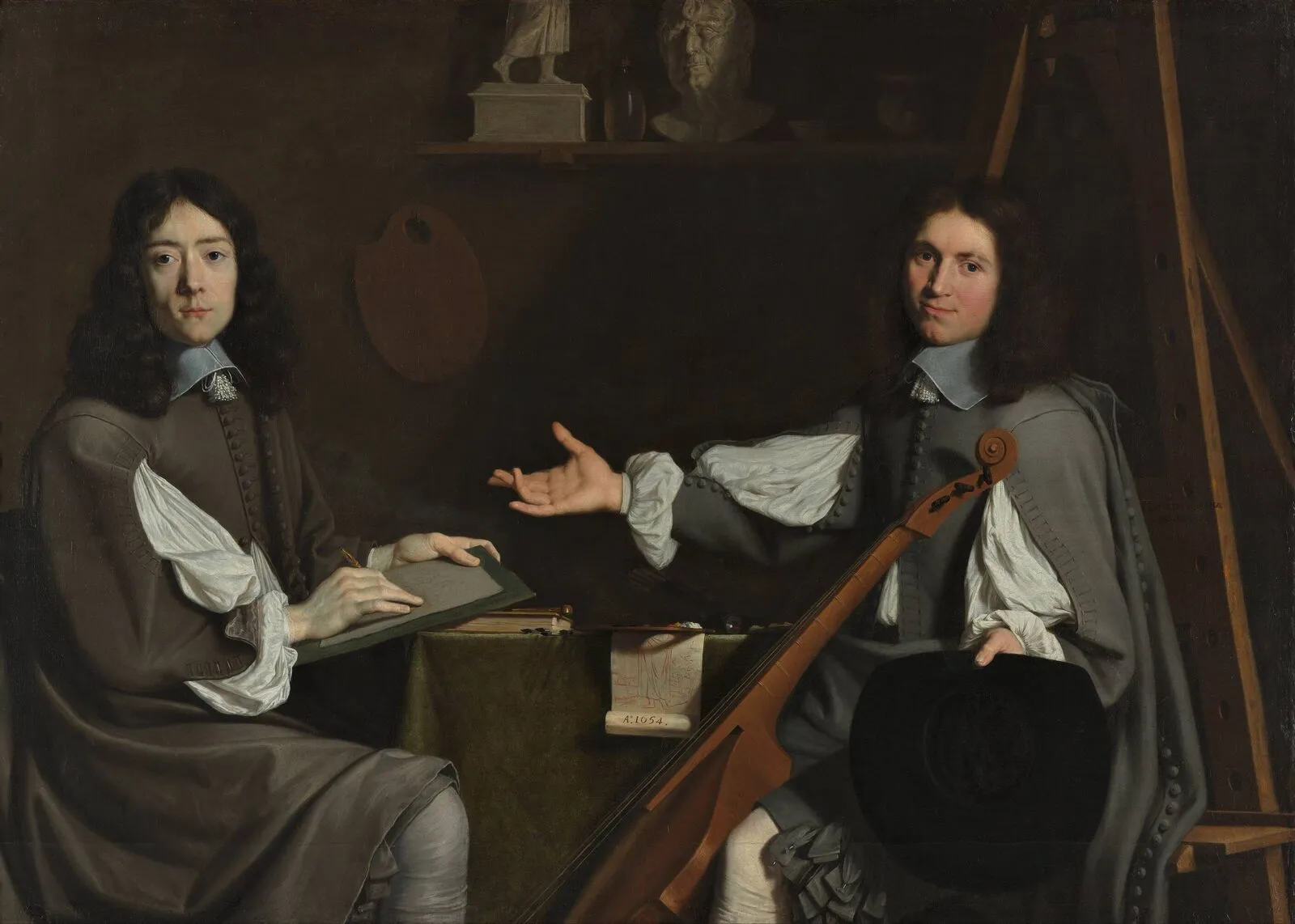
Jean-Baptiste de Champaigne
Brussels 1631 – 1681 Paris
Nephew of the famous painter Philippe de Champaigne, Jean-Baptiste de Champaigne entered the workshop of his uncle at the age of twelve. He would eventually be his uncle’s closest collaborator, along with Nicolas de Plattemontagne. From his youth, Jean-Baptiste participated in many of his uncle’s important commissions. He executed a painting for the refectory of the Val-de-Grâce and collaborated in the creation of a cycle of paintings depicting the life of Saint Bruno for Anne of Austria. In 1658 Jean-Baptiste de Champaigne traveled to Italy to complete his training; something Philippe de Champaigne had never done. Jean-Baptiste returned to Paris the following year and subsequently, assumed responsibilities within the workshop. He likely finished the last two cartoons for the Saint Gervais Saint Protais tapestries, and took part in the decoration of the king’s apartments in Vincennes. In the following years Jean-Baptiste de Champaigne received a number of important commissions including: the May of Notre-Dame for the corporation of the goldsmiths in 1667, the decorations of the apartments of the dauphin at the Tuileries Palace, and the decorations of the king’s apartments in Versailles. In 1663, he was received by the Royal Academy where he later became professor. After the death of his uncle in 1674, Jean-Baptiste de Champaigne took over his uncle’s studio. He continued to paint for the Bâtiments du roi and for religious institutions. Close to the Jansenist circle of Port Royal, his style is characterised by a simple classicism, similar to the aesthetic of Philippe de Champaigne.
LES ŒUVRES
Aucune œuvre trouvée pour cet artiste.


